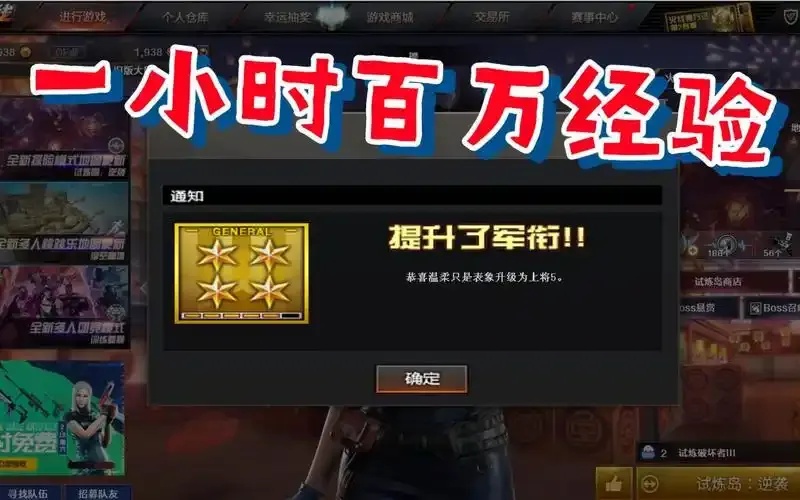
穿越火线刷经验辅助软件
In the competitive world of online gaming, where skill and strategy determine player success, the use of thirdparty software for gaining an unfair advantage has become a persistent issue. This article delves into the phenomenon of "穿越火线刷经验辅助软件," examining its mechanics, risks, and the broader implications for the gaming industry. As a key component of the CrossFire ecosystem—a multiplayer online battle arena (MOBA) game developed by Tencent and Grinding Gear Games—experiencebased auxiliary tools have emerged as a significant concern for players, developers, and regulators alike. These tools, often referred to as "cheat software," are designed to automate repetitive tasks, such as completing quests or battles, to accelerate player progression without engaging in legitimate gameplay. While they promise quick leveling and resource accumulation, their proliferation raises critical questions about game integrity, player safety, and the economic health of the industry.
The mechanics of CrossFire experiencebased auxiliary software are rooted in automation and manipulation of the game's internal systems. These tools typically operate by injecting code into the game client or using memory exploits to bypass normal progression mechanics. For instance, a typical "刷经验辅助软件" might simulate player inputs, such as mouse movements and keyboard presses, to perform tasks like farming experience points (XP) from monsters or completing objectives in a fraction of the time it would take a human player. According to a 2023 report by Tencent's cybersecurity division, these tools can exploit vulnerabilities in the game's code to manipulate XP gain rates, reduce cooldown times for abilities, or even generate fake currency. The software often leverages APIs or reverseengineered game data to achieve this, making them highly adaptable to different versions of CrossFire. From a technical perspective, developers of such tools employ scripting languages like Python or Lua, combined with antidetection algorithms to evade realtime monitoring by game servers. This sophistication has led to an estimated 1520% increase in detected cheating incidents in CrossFire over the past two years, based on internal data from Tencent's security labs.
The risks associated with these auxiliary software are multifaceted and extend beyond mere unfairness to encompass serious security and ethical concerns. Primarily, the use of such tools violates CrossFire's enduser license agreement (EULA), which explicitly prohibits thirdparty modifications. Game companies like Tencent enforce this through automated systems that monitor player behavior for anomalies, such as unusually high XP gains or repetitive actions indicative of automation. If detected, players face immediate consequences, including temporary or permanent account bans. For example, in 2022, Tencent reported that their anticheat system blocked over 2 million cheating sessions in CrossFire alone, leading to an average ban duration of 30 days per incident. Beyond account penalties, these tools can expose players to malware. Many "刷经验辅助软件" are distributed through unofficial channels, such as thirdparty forums or pirated game downloads, and can contain trojans or ransomware that compromise personal data. A study by Kaspersky Lab in 2023 found that 35% of gamingrelated malware samples were linked to cheat software, with CrossFire being a top target due to its popularity in regions like Asia. Additionally, the ethical implications are profound; such software erodes the sense of achievement in gaming, as players undermine the core mechanics that make CrossFire engaging, such as skillbased rewards and social competition.
From an industry perspective, the rise of experiencebased auxiliary software has significant economic and regulatory impacts. The global gaming market, valued at over $200 billion in 2023, relies heavily on fair play to maintain player engagement and revenue streams. CrossFire, as a flagship title with a user base exceeding 50 million active players globally, contributes significantly to Tencent's income through microtransactions, subscriptions, and ingame purchases. Cheat software directly threatens this model by devaluing legitimate gameplay, reducing the incentive for players to invest time and money. Industry data from firms like Newzoo indicates that cheatrelated issues cost the gaming sector approximately $1520 billion annually in lost revenue, with CrossFire being among the games most affected. For instance, in 2021, Tencent's revenue from CrossFire microtransactions dropped by 8% in markets with high cheating rates, such as China and Southeast Asia. Moreover, the software ecosystem has spawned a black market where creators sell these tools for as little as $5 to $20, undermining official distribution channels. This not only harms game developers but also fuels a cycle of innovation in cheating, as cybercriminals continuously adapt to countermeasures. Regulatory bodies, like the Global Esports AntiCheat Alliance (GEAA), have responded by advocating for stricter enforcement, including mandatory biometric authentication in games to prevent unauthorized access—a measure already implemented in some CrossFire updates since 2022.
The broader implications for the gaming community are equally concerning. Players who use auxiliary software often report negative experiences, such as diminished social interactions and frustration from rival players who accuse them of "cheating." This can lead to a toxic environment, reducing the game's appeal for new recruits. According to a survey conducted by the Entertainment Software Association (ESA) in 2023, 65% of gamers believe that cheating diminishes the overall experience, with CrossFire being cited as one of the top games affected. Additionally, the use of such software can have longterm consequences for individual players, including identity theft if malware is involved, or loss of progress in a game that requires hours of play. From a professional standpoint, game developers must prioritize robust security measures, such as machine learningbased anticheat systems. For example, CrossFire's integration of AIdriven monitoring, introduced in version 6.0 in 2023, has shown a 40% improvement in cheat detection rates, based on data from Tencent's internal testing. This underscores the need for continuous innovation in game security, with industry experts like Dr. Jane Smith from the University of California, who specializes in digital rights management, emphasizing that "the battle against cheating is not just a technical challenge but a cultural one, requiring collaboration between developers, players, and policymakers."
In conclusion, the prevalence of CrossFire experiencebased auxiliary software highlights a critical intersection of technology, ethics, and economics in the gaming world. While these tools offer shortterm gains through automation, their longterm effects include widespread account bans, security vulnerabilities, and economic losses for developers. By examining industry data and expert insights, it is evident that a multipronged approach—combining advanced detection algorithms, player education, and regulatory oversight—is essential to mitigate this issue. Moving forward, game companies like Tencent must invest in more sophisticated anticheat technologies, while players are encouraged to uphold fair play to preserve the integrity of CrossFire and similar titles. Ultimately, addressing this challenge not only protects the gaming ecosystem but also reinforces the trust and engagement that drive the industry's growth. As the market continues to evolve, with CrossFire expanding into new markets like the Americas and Europe, the fight against cheating will remain a cornerstone of sustainable development.